Overview
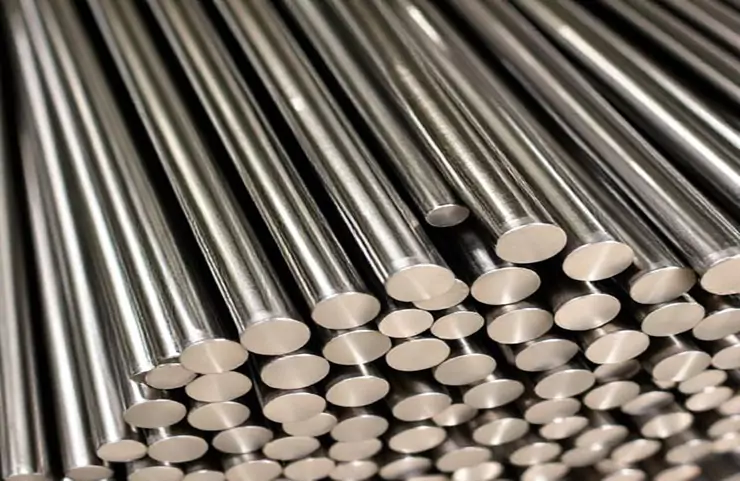
We present 430 stainless steel round bar as a reliable, cost-effective solution for a broad range of industrial and light engineering needs. Our stock and expertise make it straightforward to select the correct diameter, finish, and certification for trim, appliance parts, HVAC components, and simple automotive fittings. This grade balances corrosion resistance with magnetic response and formability, which is why it is a frequent choice when austenitic corrosion resistance is not required.
What is 430 Stainless Steel?
430 is a ferritic stainless steel commonly used for decorative and functional applications where moderate corrosion resistance and magnetic properties are acceptable. The metallurgical family is ferritic, meaning the microstructure contains ferrite rather than the austenite found in more corrosion-resistant stainless alloys. Chromium content gives corrosion resistance and helps form a passive oxide layer, while low nickel content makes the grade more economical than austenitic stainless steels. Because 430 is magnetic it is advantageous where electromagnetic properties are required in the finished assembly. We often recommend 430 for visible trim, oven panels, and interior automotive parts where harsh marine or chemical exposures are not expected. Fabricators value its predictable formability and its ability to take attractive surface finishes. With correct surface preparation and maintenance, 430 performs well in many indoor and mildly corrosive environments.
Chemical Composition and Practical Implications
The typical chemical makeup of 430 prioritizes chromium as the primary alloying element with very low carbon and practically no nickel. Chromium at about 16 to 18 percent forms the passive oxide layer that resists oxidation and staining in air and mild environments. Low carbon minimizes carbide precipitation during welding but still requires basic controls to avoid sensitization in some processes. Trace elements and allowable impurities are controlled to maintain consistent mechanical properties and machinability. From a practical viewpoint this chemistry means 430 is less costly than 300-series stainless while offering attractive surface finishes and adequate corrosion resistance for many indoor and industrial settings. The low nickel content and ferritic microstructure also reduce thermal expansion relative to austenitic grades, which can be an advantage where dimensional stability under heat is important. For customers requiring salt-water resistance or aggressive chemical resistance, specifying a higher-alloy grade is the prudent choice.
Mechanical Properties and Design Considerations
Mechanically, 430 delivers fair strength with good ductility for forming, bending, and light cold work. Typical tensile and yield strengths meet many general engineering requirements while offering elongation sufficient for moderate deformation. Hardness is moderate and the grade can work-harden if heavily cold-formed, which requires attention during finishing and machining. At elevated temperatures the ferritic structure holds up well for intermittent exposure but prolonged high-temperature service reduces corrosion resistance and mechanical stability. Designers should account for the grade's magnetic nature when assemblies need to be non-magnetic. Where higher tensile performance is required, other martensitic or precipitation-hardening grades might be a better fit. In fabrication, specifying appropriate allowances for machining and finishing helps avoid surprises from work-hardening or dimensional variation.
Corrosion Resistance and Surface Finishes
430 provides reliable resistance to atmospheric corrosion, mild industrial atmospheres, and many indoor environments when the surface finish is appropriate. Common finishes for round bars include hot-rolled, bead-blast, 2B cold-rolled, and bright annealed finishes, each offering different aesthetic and functional properties. Bright anneal and 2B finishes deliver a smooth surface that resists staining and is easier to clean, while hot-rolled finishes are acceptable for utility applications where appearance is secondary. In mildly corrosive environments a protective coating or passivation improves longevity, especially when parts have crevices or weld discoloration. When we supply bars destined for visible trim, we recommend a finer finish plus a passivation treatment to remove free iron and enhance the chromium-rich oxide. For exterior or salt-exposed use we advise a more corrosion-resistant alloy or additional coatings because 430 will show rust in aggressive saline conditions over time.
Manufacturing and Supply Forms
We produce and stock 430 round bars in standard diameters and custom cut lengths to match job requirements and reduce waste. Typical supply lengths are straight lengths suitable for machining centers or for direct fabrication, and we cut to order to save handling and downstream labour for customers. Tolerances and roundness comply with industry standards; where tighter tolerances are needed we can supply turned and ground bars with exact diameters and surface finishes. The production process involves hot rolling, possible normalizing, cold working and annealing steps when a smoother surface finish is requested. We also offer value-added services such as sawing, centreless grinding, and protective packaging for long-distance transport. Our logistics and inventory management help keep lead times predictable for typical diameters and allow us to scale for bulk or repeat orders.
Machining and Fabrication Best Practices
Machining 430 requires tools and parameters that limit surface work hardening and ensure chip control. Carbide or high-speed steel tooling with appropriate geometry works well, combined with moderate cutting speeds and higher feed rates to avoid rubbing. Coolant and good chip evacuation are critical when turning or milling to prevent heat build-up and tool wear. For forming and bending, small-radius bends are achievable if the material is annealed and tooling is selected to reduce local strain. Welding 430 is possible using appropriate filler metals that match corrosion resistance and thermal expansion; however, welds require cleaning and passivation to restore corrosion resistance. Post-weld annealing is rarely necessary for small assemblies, but where maximum resistance is required we offer guidance on heat treatment and finishing steps. When planning fabrication we recommend communicating intended processes so we can advise on pre-supply tolerances, surface finish, and any special treatments to avoid in-process damage.
Welding and Joining Considerations
Welding 430 is feasible but requires careful selection of consumables and parameters to maintain service life and appearance. A compatible filler metal or stainless steel electrode that matches the base metal chemistry will minimize galvanic differences and improve joint corrosion resistance. Heat input must be controlled to reduce grain growth and the risk of embrittlement in the heat affected zone. Where visible welds are part of the finished assembly, we recommend weld cleaning protocols using pickling paste or mechanical polishing followed by chemical passivation to remove iron contamination. In structural or load-bearing assemblies fatigue life around welds should be evaluated because ferritic grades behave differently near heat affected zones than austenitic grades. For assemblies that demand high corrosion resistance or food-contact suitability, specifying a different alloy family is often the better engineering path.
Typical Applications and Industry Use Cases
Practical applications for 430 round bars include decorative trim, appliance components, control panels, light structural parts, HVAC supports, and some automotive interior components. The grade is attractive where magnetic properties are acceptable or desirable and where cost efficiency is a factor. In appliances and consumer equipment it offers a balance between finishability and durability that designers appreciate. In architectural trim and indoor fit-out work the grade provides long-term aesthetic value with periodic maintenance. In automotive and engineering uses where exposure to road salt or high humidity is limited, 430 provides a sound combination of properties. We have supplied many components for OEMs that combine machined geometry with bright finishes, helping reduce secondary finishing costs.
When Not to Use 430
We do not recommend 430 for prolonged exposure to seawater, aggressive chemical environments, or high-chloride industrial atmospheres. In such conditions the chromium content of 430 is not sufficient to prevent localized pitting, crevice corrosion, or rapid staining. Applications that require non-magnetic material, superior high-temperature strength, or food-grade compatibility may be better served by austenitic or duplex stainless grades. When corrosion resistance is critical to safety or longevity, we work with procurement teams to specify higher alloy content materials that deliver the required life cycle. For each project we evaluate the exposure profile, maintenance plan, and cost constraints before confirming the grade recommendation.
Certification, Traceability, and Quality Control
Our quality regime includes chemical analysis, mechanical test reports, and documentation that trace each batch to mill certificates when required. We supply material test certificates compliant with common standards and can provide third-party inspection certificates on request. Batch traceability allows rapid resolution of any concern and supports regulated industries that require documented provenance. We perform dimensional checks, surface inspection, and package inspections before dispatch to ensure material arrives in expected condition. For critical applications we provide NDT options and dimensional reports to give confidence that supplied material meets specification. This level of transparency reduces rework and supports procurement processes that demand auditable supply chains.
Environmental Considerations and Recycling
430 stainless steel is fully recyclable and contributes to circular material flows when reclaimed properly. The alloy retains value at end of life, and recycled stainless feedstock reduces embodied energy compared with primary production. We track and, where possible, reuse clean offcuts and returnable packaging to reduce waste across the supply chain. For customers focused on life cycle impacts we can provide guidance on material stewardship and recycling routes that recover stainless content efficiently. Choosing recyclable metals supports corporate sustainability commitments and often simplifies disposal compared with coated or composite materials. When specifying material, factoring in end-of-life management can reduce total lifecycle cost and environmental impact.
Additional Resources and Market Listings
We monitor market listings to keep procurement decisions aligned with current Indian and international pricing. We track volume trends, lead-time signals, and seller reputations to benchmark our own stock levels and pricing strategy. The IndiaMART directory provides a broad snapshot of verified traders and wholesale offers for 430 round bars, which helps us sense market availability and retail pricing bands. We use such listings to validate competitive pricing and to spot sudden supply constraints that might affect lead times. When evaluating market listings we focus on seller ratings, product photos, and minimum order quantities to compare like for like. For a quick reference, see IndiaMART 430 stainless steel round bar. We treat external listings as market intelligence and cross-check them against mill certificates and physical inspection before relying on them for procurement decisions.
Technical Specifications and Manufacturer Details
We cross-check dimensional charts and manufacturing notes with original equipment manufacturers to confirm tolerances and finishing options for both forged and cold-rolled bars. Specification pages from established mills help us validate chemical ranges, heat-treatment recommendations, and recommended surface finishes for visible components. Detailed manufacturer datasheets are useful when preparing inspection criteria and test plans for incoming lots. We compare manufacturer specifications against our in-house acceptance criteria to reduce incoming nonconformances and avoid rework. For a detailed product note on forged and cold-rolled 430 round bars, consult Triton Metal Alloys 430 round bar specs. Manufacturer guidance combined with mill test certificates forms the backbone of our quality control checks.
Alternative Suppliers and Product Variants
We continuously review alternative suppliers to maintain supply resilience and to offer customers options for finish, tolerance, and certification without compromising quality. Supplier pages that list bright bar, forged stock, and ASTM-related compliance help us compare processing capabilities and export readiness. Evaluating several suppliers allows us to match batch sizes with the best price point while ensuring required certificates and inspection records are available. When supply is tight we pivot between local mills and verified traders to keep lead times predictable. For a practical supplier perspective including bright and forged bar listings, see Mahavir Metals 430 round bar. We only onboard alternative sources after documentary and sample validation to preserve traceability and quality consistency.
FAQs About 430 Stainless Steel Round Bar
Q.1: Is 430 suitable for marine environments?
Ans. No, 430 is not recommended for prolonged salt-water exposure; a higher-alloy or duplex grade is preferable for marine use.
Q.2: What certifications can we provide?
Ans. We provide mill test certificates, material analysis reports, and third-party inspection certificates on request.
Q.3: What sizes do we stock and can we cut to length?
Ans. We stock a broad diameter range and offer custom cutting, sawing, and value-added services to match production needs.
Conclusion
We view 430 stainless steel round bar as a practical, cost-effective choice for many indoor and light engineering applications where magnetic response, good formability, and an attractive finish are required. Our experience shows that careful selection of finish, tolerance, and post-weld cleaning extends service life and reduces downstream finishing costs. When corrosion exposure is moderate and budgetary considerations matter, 430 frequently delivers the best balance between performance and value. For projects facing aggressive saline or chemical environments, we recommend considering higher-alloy or austenitic alternatives to avoid premature degradation. We support specification decisions with mill test certificates, dimensional inspection, and optional third-party verification to maintain traceability and confidence. Our inventory and value-added services, such as cutting and passivation, help align supply with production schedules and reduce wasted material. For quotes, stock checks, or technical consultation call us at +91-9137335305. Visit https://baxtelfasteners.com for product details and to submit inquiries.